

Commercial pool renovations are planned improvements to an existing shared-use pool’s finishes, equipment, layout or structure. For a Minnesota hotel, apartment community, school or municipal facility, the first question is not which finish looks newest: it is what problem the investment needs to solve.
A worn surface, repeated service interruptions and a changed swimming program can point to different scopes. Start with an assessment of the existing facility and a written owner brief. That gives the design team, contractor and operator a common basis for comparing repair, resurfacing and replacement.
Planning commercial pool renovations? Contact Olympic Pools with your facility location, current concerns, available records and preferred closure window. Explore the commercial pools and spas portfolio before your first conversation.
Start with the condition, not the cosmetic symptom
Commercial pool renovations should begin with the pool’s history: drawings, past repairs, equipment information, operating logs and photographs. Ask the operator which problems recur and what has already been tried. A fresh finish is not a substitute for understanding unexplained water loss, movement or repeated cracking.
Have qualified professionals distinguish surface deterioration from underlying problems. Do not drain a pool, investigate electrical equipment or attempt structural repairs from an online checklist. This guide supports owner planning; it is not an engineering assessment, installation specification or determination that a facility is safe to operate.
The Olympic Pools Repair, Renew, Reconfigure, Rebuild framework
Use this four-part framework to organize commercial pool renovations around the owner’s actual decision. It is a planning tool for this guide, not a diagnostic rating or a promise that every facility fits neatly into one category.
Repair: correct a defined problem
Ask whether a limited repair addresses an identified cause while leaving the rest of the facility suitable for its intended use. The proposal should explain the defect, the affected area, the limits of the repair and how the completed work will be checked. Recurring symptoms deserve investigation before another patch is purchased.
Renew: replace worn finishes or systems
Renewal may include resurfacing, tile work or equipment modernization after the underlying condition is understood. Compare compatible options with the people responsible for maintaining them. Commercial pool renovations should not treat a new pump, filter or controller as an isolated purchase without reviewing its relationship to the existing system.
Reconfigure: change how the facility works
A changed program, difficult service access or a different circulation pattern may call for more than replacement in kind. Identify the operational goal before discussing design alternatives. Coordinate the pool, surrounding deck, building and accessibility review so one improvement does not create a new conflict elsewhere.
Rebuild: compare a more extensive replacement
Where assessment identifies major constraints, ask the team to compare a substantial rebuild with a defined renovation scope. Compare what each option retains, changes and leaves unresolved. The useful question is whether the proposed investment supports the facility’s future, not whether replacement is automatically better than repair.
Compare the scope before comparing the price
For commercial pool renovations, a decision table can expose differences hidden behind similar proposal totals. These are discussion categories, not prescriptions for an uninspected pool.
| Approach | Potential purpose | Question to resolve |
|---|---|---|
| Targeted repair | Correct a specific, assessed defect | Has the cause been identified, and what remains outside the repair? |
| Resurfacing | Renew the basin finish | Is the substrate suitable, and are related defects addressed? |
| Systems upgrade | Modernize selected equipment or controls | How will the change work with existing systems and operating responsibilities? |
| Partial renovation | Coordinate several improvements while retaining usable components | Who owns the interfaces between retained and new work? |
| Major rebuild | Replace substantial elements or reconsider the layout | What constraints justify this scope, and what does the complete reopening plan require? |
Give each stakeholder a defined role
Commercial pool renovations are easier to evaluate when the people approving, operating and delivering the work agree on responsibilities. Record decisions and unanswered questions rather than relying on a series of informal conversations.
| Stakeholder | Useful input | Decision to document |
|---|---|---|
| Property manager | Resident or guest needs, access and communication | Closure notices, site coordination and operating impacts |
| Pool operator | Logs, recurring faults and service experience | Maintenance access, training and handover requirements |
| Architect or developer | Building interfaces, design intent and project coordination | Professional responsibilities and review milestones |
| Owner | Long-term goals, funding and acceptable disruption | Approved scope, exclusions and change authority |
Plan Minnesota approvals and accessibility early
The Minnesota Department of Health’s public-pool plan-review guidance covers construction and alteration projects and directs owners to clarify review requirements before work starts. Do not assume that calling work maintenance or resurfacing settles the approval question. Confirm the actual proposed scope with MDH and the relevant local authorities.
Accessibility belongs in the initial assessment of commercial pool renovations. The U.S. Department of Justice’s pool-access guidance distinguishes obligations for existing facilities and alterations. Ask qualified design professionals to review the applicable requirements for your property, including how proposed changes affect access. This article is not legal advice or a compliance certification.
Build downtime and reopening into the schedule
A commercial pool renovations schedule should separate assessment, design, approvals, procurement, site work and reopening. Ask which steps depend on earlier decisions and which dates are estimates. The last construction day is not necessarily the first swimming day: include required inspections, system handover and operator readiness.
For an outdoor Minnesota facility, discuss weather-sensitive work and the intended operating season with the project team. For an indoor facility, coordinate access and disruption with the building’s other activities. There is no universal best month or guaranteed closure duration. Communicate a realistic window and an agreed process for changes.
Budget for a complete scope
Compare commercial pool renovations proposals on assessment and design, approvals, demolition, retained components, finishes, equipment, access constraints, temporary protection, handover and exclusions. Ask how concealed conditions and scope changes will be handled. No generic price range can replace a proposal based on the actual facility.
Discuss the operating implications as well as the capital cost. A proposed upgrade should come with a clear explanation of maintenance responsibilities and any claimed benefits. Request support for projected savings; do not assume that newer equipment guarantees a particular reduction in energy or service costs.
Minnesota experience: use specific evidence
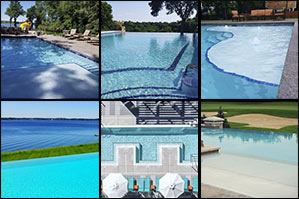
Olympic Pools describes more than 40 years of pool and spa design, construction, renovation and service. Its commercial page presents a project gallery. Ask for examples relevant to your facility, with the team’s role and renovation scope explained; a photograph alone does not establish the work performed.
The Awards and Recognition page records a 2012 Gold Medal for a residential pool and spa renovation in Mankato. That is specific renovation recognition, not a commercial-project award or evidence that a particular facility complies with code. Keep those distinctions when evaluating experience.
The CPO Training page identifies Eric Sailor as a certified PHTA/NSPF instructor. Connect the renovation handover with the operator’s training needs and ongoing commercial pool service. For broader layout planning, see the commercial pool design guide.
Questions about commercial pool renovations
When should a facility consider renovation?
Arrange an assessment when recurring problems, deteriorating finishes or changed operating needs justify a planned review. Do not wait for a cosmetic project to resolve a known safety concern.
Can plaster or tile work fix structural problems?
Surface work is not evidence that an underlying defect has been corrected. Have qualified professionals establish the cause and suitable repair scope before choosing finishes.
Should equipment be modernized at the same time?
Consider it during planning, but evaluate compatibility, approvals, service access and operator needs before adding equipment to the scope.
How much downtime should we expect?
Request a project-specific schedule that includes procurement, approvals, construction and reopening requirements. A dependable estimate needs a defined scope.
Is the off-season always best?
It can reduce conflicts with use, but weather, contractor availability and delivery dates still matter. Plan the window with the project team rather than assuming a calendar month guarantees completion.
How should code and accessibility be handled?
Confirm the applicable requirements with qualified professionals and the authorities responsible for the facility before work begins. Do not rely on a general article as project approval.
When is replacement preferable to renovation?
Compare both after assessing the existing facility. Ask what each approach solves, retains and leaves unresolved over the owner’s intended use period.
What affects the budget?
Condition, scope, access, design coordination, approvals, finishes, systems and reopening needs all belong in the proposal discussion. Compare exclusions and assumptions before comparing totals.
Make the next decision with a clear scope. For commercial pool renovations in Minnesota, talk with Olympic Pools about the existing facility, its operating history and what needs to improve. Bring records and priorities so the conversation can move beyond surface appearance.