

Commercial pool service is the coordinated work of operating, checking, maintaining and repairing a shared-use pool so its owner can make informed safety, equipment and downtime decisions. In Minnesota, the right scope depends on the facility, its trained operator and whether the need is routine attention, a specific repair or a larger renovation.
This guide is for property managers, apartment and hotel owners, school and municipal facility teams, and developers planning a commercial pool project. It separates day-to-day operating responsibilities from contractor work, with a practical way to decide what to document before requesting a proposal.
Planning work at your property? Review Olympic Pools’ commercial pool projects or contact the Shakopee team to confirm the scope, location and timing of your project.

What should commercial pool service include?
A useful scope identifies the pool, the responsible operator, the work being purchased and the conditions for returning the facility to use. The label alone does not tell you whether a provider will test water, service equipment, repair finishes, coordinate inspections or manage an entire renovation.
Start with the actual problem. A recurring equipment fault needs diagnosis. Deteriorating finishes may need a condition assessment. A planned opening needs an operating plan and confirmed readiness. Buying a generic visit without defining the expected deliverable can leave the owner and contractor with different assumptions.
For commercial pool service proposals, ask who does each task, what is excluded, which records you receive and who makes the reopening decision. Confirm recurring maintenance availability separately; a company that builds and renovates pools should not automatically be assumed to provide a weekly operating contract.
Olympic Pools’ Minnesota experience
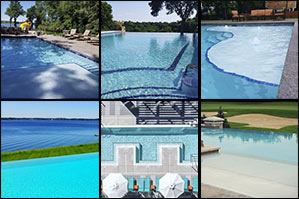
Olympic Pools’ company history dates to 1983, and its office is in Shakopee, Minnesota. The company’s commercial page describes design, construction, renovation and service work and presents a gallery of commercial pools and spas. That is a starting point for discussing a comparable project, not evidence that every type of facility or service arrangement is available.
The company also provides Certified Pool Operator training information. For an owner evaluating commercial pool service, this makes it worth discussing both the physical project and the operating team’s preparation. Training is not a substitute for a written contractor scope, and a contractor visit does not transfer all of the facility owner’s responsibilities.
Review the awards and recognition page alongside relevant commercial project examples. Ask which examples match your pool type and proposed work. Do not treat an award for a residential project as proof of a particular commercial maintenance outcome.
The Commercial Pool Continuity Framework
Olympic Pools’ Commercial Pool Continuity Framework organizes the conversation into six areas: Safety, Water, Equipment, Surface, Documentation and Downtime. It is a planning checklist for commercial pool service, not a certification, inspection approval or guarantee against closure.
1. Safety: establish responsibility first
Identify the owner contact, trained operator, alternate contact and applicable inspection authority. Make sure staff know the facility’s emergency and closure procedures. A suspected hazard is not a reason to keep operating until a convenient contractor appointment; involve the responsible operator and authority as appropriate.
2. Water: bring records, not just a description
Share recent operating logs, recurring observations and the timing of problems. Clear-looking water alone does not establish readiness. Water testing and corrective action belong with trained personnel following applicable requirements and equipment instructions, not an improvised dosing plan from a general article.
3. Equipment: connect the symptom to the system
Record equipment model information, fault messages, prior repairs and when the symptom appears. Ask whether the proposal covers diagnosis only, parts and labor, commissioning, or coordination with other trades. Commercial pool service becomes easier to compare when these deliverables are explicit.
4. Surface: distinguish appearance from underlying failure
Photograph damaged tile, coping, finishes and adjacent areas without putting staff at risk. Record whether damage is localized or recurring. A cosmetic patch and a repair addressing the cause are different scopes. Avoid promising a repair method before the contractor has evaluated the condition.
5. Documentation: make the handoff usable
Keep service reports, manuals, warranties, operating records and previous inspection correspondence accessible to the team. Request a written description of completed work and any remaining limitations. Documentation helps the next person understand what was changed rather than restarting the investigation.
6. Downtime: plan the whole interruption
Separate work duration from total closure. Access, parts, preparation, curing where relevant, startup and required review can affect the return-to-use date. For commercial pool service, request a schedule with dependencies and an update process, not an unsupported promise that every job takes one day.
Preventive service, repair, renovation or replacement?
Choose the category before comparing prices. These are decision paths, not fixed packages or a diagnosis of your pool.
| Work category | Typical question | Useful deliverable |
|---|---|---|
| Preventive service | What recurring checks or manufacturer-directed attention are needed? | Written tasks, frequency, responsible party and records; confirm provider availability. |
| Repair | Can a specific fault or damaged component be corrected? | Diagnosis, repair scope, exclusions and verification of completed work. |
| Renovation | Do several related problems or changed facility needs require coordinated work? | Condition assessment, design scope, sequencing and operating handoff. |
| Replacement | Is replacing a component or system more appropriate than another repair? | Documented options, compatibility review and lifecycle considerations. |
A commercial pool service conversation should not jump straight from an old component to a full replacement. Ask what evidence supports each option, what remains uncertain and whether a narrower repair would address the cause. Equally, repeated repairs deserve a review of the larger system rather than an automatic repeat order.
Match the decision to the stakeholder
| Stakeholder | Problem to clarify | Decision to make |
|---|---|---|
| Apartment or hotel manager | Recurring interruption and resident or guest communication | Immediate assessment, access plan and realistic closure updates |
| School or municipal facility team | Work conflicts with programming or a planned shutdown | Phasing, responsible approvals and return-to-use criteria |
| Owner or asset manager | Repeated repair spending or aging systems | Repair-versus-renovation review with documented assumptions |
| Developer or architect | New construction or a major change in use | Design coordination, operating requirements and project handoff |
| Pool operator | Recurring readings, alarms or unresolved observations | Escalation, records to supply and checks needed after work |
These examples explain who may need commercial pool service; they do not claim Olympic Pools has completed a project for every listed customer type. Confirm comparable experience and the specific work the team can accept.
Minnesota seasons change the planning conversation
Outdoor pools need a coordinated seasonal opening and closing plan. Discuss winter exposure, equipment protection, site access and any condition discovered after the off-season with qualified personnel. Do not wait until the desired opening date to identify a repair that needs parts, design review or additional trades.
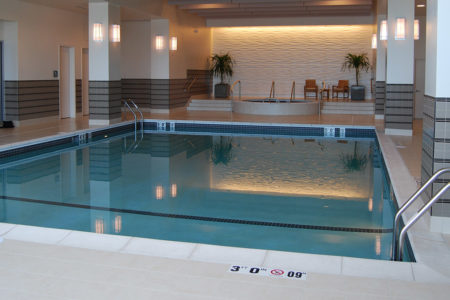
Indoor pools have a different calendar. Their commercial pool service window may depend on occupancy, school programming or an annual shutdown rather than outdoor swimming weather. Coordinate work affecting the pool environment with the appropriate building professionals; a pool equipment repair and a building ventilation project are not interchangeable.
Prepare a seasonal list with three columns: must resolve before opening, can schedule during a planned closure, and needs further assessment. The responsible operator and relevant authority determine whether operation is appropriate. A calendar target does not override an unresolved safety or operating condition.
CPO responsibilities and contractor responsibilities
The Minnesota Department of Health’s trained-operator guidance describes training and certification requirements for public pools. Its pool operating guidance explains operator responsibilities, staff preparation and operating records. Confirm current requirements with the authority responsible for your facility.
The practical distinction is simple: commercial pool service supports the facility’s operation, but a contractor’s visit is not continuous supervision. Identify who handles daily operating duties, who covers absences, who responds to problems and how contractor findings reach that person.
Use Olympic Pools’ CPO training page to discuss training options and current scheduling. Do not assume that booking a class, having a certificate or hiring a contractor alone establishes that a particular facility meets every applicable requirement.
How to request a useful proposal
For a commercial pool service inquiry, send a concise project packet: facility location and pool type, the problem or planned change, relevant photographs, equipment details, recent records, prior repair history, access restrictions and desired timing. Include the owner contact and operating contact so questions reach the right people.
For each commercial pool service proposal, compare the same boundaries:
- Diagnosis and inspection included before choosing a method.
- Specific work, materials, exclusions and responsibilities.
- Required approvals and coordination with other trades.
- Schedule assumptions, dependencies and change communication.
- Completion records, operating handoff and warranty terms.
- Any recurring visits, emergency availability or seasonal work, explicitly confirmed rather than assumed.
Ask about commercial repair, renovation and construction together when the problem crosses those boundaries. The commercial project gallery is the current starting point; link decisions to real condition evidence instead of treating an older pool as automatically beyond repair.
Commercial pool service FAQs
What does commercial pool service include?
It can include operating support, preventive attention, equipment diagnosis, repairs and coordination of larger work. The written agreement determines what a particular provider performs. Confirm recurring maintenance separately from project-based repair or renovation.
How often is service needed?
There is no single contractor-visit interval for every pool. Operating duties, equipment instructions, facility conditions and applicable requirements determine the plan. A periodic service appointment does not replace the operating team’s responsibilities between visits.
What is the CPO responsible for?
A trained operator has responsibilities for pool operation and the records and staff practices described by the applicable authority. Establish an alternate contact and escalation process. Confirm the exact requirements for your facility with Minnesota or local officials.
How is service different from repair?
Service is the broader category of attention to operation and condition. Repair addresses a specific fault or damaged item. Define both terms in the proposal so diagnosis, parts, labor and follow-up are not left ambiguous.
When should a property manager consider renovation?
Consider an assessment when problems recur, several systems or finishes need work, or the facility’s needs have changed. Renovation is a scope decision based on condition and goals, not simply the pool’s age.
How much downtime should we expect?
Ask for a project-specific schedule covering access, preparation, work, startup and any required review. Parts availability and conditions discovered during work can change it. Communicate a confirmed reopening date only after the responsible parties establish readiness.
Who handles seasonal opening and closing?
The owner should assign responsibility in advance with the operating team and any contracted provider. Confirm exactly what is included, what the property staff must do and how unresolved conditions will be reported before opening.
How should we select a contractor?
Compare commercial pool service providers by relevant project experience, a clear written scope, operating-team coordination, documentation and realistic scheduling. Ask for examples related to your proposed work, and verify availability rather than assuming every provider offers every service.
Start with the condition, then choose the scope
The most useful commercial pool service request describes what is happening, what records exist and what decision the property needs to make. That gives the operator, owner and contractor a shared basis for discussing repair, renovation or further assessment.
Explore Olympic Pools, review its commercial work, and discuss your Minnesota project with the team. Confirm the proposed scope and service arrangement before committing to a schedule.