


Commercial indoor pool lighting brings overhead, deck, underwater and emergency lighting into a coordinated plan so staff can see the pool and people can use the room. Start with visibility, operating hours and service access, then have qualified professionals specify equipment, controls and electrical protection for the actual facility.
If you manage a hotel, apartment, school or recreation pool, the decision is larger than choosing a replacement lamp. You need to know which areas must remain visible, what changes during the day and how the equipment will be maintained. Olympic Pools’ Minnesota team can help frame the pool-project conversation; confirm the proposed work and service location before making arrangements.
A lighting zone is an area with a particular viewing or operating task: watching the swimming area, using entry steps, walking the deck or leaving the room. Zones help organize the brief; they do not replace a professional lighting layout.
Discuss your indoor pool project with the operating schedule, existing equipment records and a description of the visibility or service problem you want resolved.

Commercial Indoor Pool Lighting: Build a Zone-by-Zone Brief
A room can look bright from its entrance while a difficult reflection remains at the far end of the pool. Organize the discussion around the work people do in each area, not a single impression of the room. The following review is an owner briefing tool, not an inspection certificate or an instruction to reach, open or adjust electrical equipment.
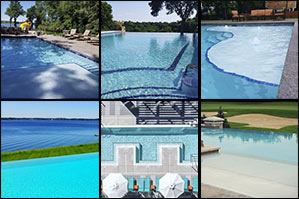
Record observations from normal, safely accessible operating positions. Describe the condition and when it appears. Leave measurements, fixture selection, electrical investigation and access arrangements to the qualified team. Minnesota commercial pool experience is relevant to coordinating the pool and its surroundings, but a gallery image cannot determine your facility’s lighting requirements.
| Location | Intended task | Observed condition | Control interface | Qualified review | Service access |
|---|---|---|---|---|---|
| Pool surface and viewing positions | See swimmers and the pool bottom | Note the location and time of glare or shadow | Record the normal occupied lighting mode | Lighting designer and aquatic operations team assess visibility | Identify access constraints over water before pricing work |
| Deck, steps and pool entry | Recognize edges, routes and changes in level | Describe dark patches or reflections on wet surfaces | Identify any separately controlled area | Designer reviews the actual layout and operating uses | Plan work-zone separation and accessible routes |
| Windows and spectator-side sightlines | Maintain useful views as daylight changes | Record the affected viewing point, season and time | List existing shades and lighting schedules | Team considers daylight and artificial lighting together | Clarify who can maintain high-level components |
| Underwater lighting | Support the coordinated view into the pool | Report a dark light or visible lens concern without touching it | Record fixture and controller models from existing records | Pool-qualified electrician checks safety and compatibility | Obtain the manufacturer’s professional service requirements |
| Overhead fixtures and supports | Provide the designed room illumination | Log visible staining, deterioration or repeated outages | Identify the circuit or zone from available documentation | Professionals review condition and environmental suitability | Include the access method and pool downtime in the scope |
| Exits and emergency lighting | Support the required route out of the room | Bring maintenance records and reported failures | Document the emergency system separately | Qualified team confirms applicable requirements and maintenance | Assign service responsibility and retain the handover record |
Review Visibility Across the Operating Day
Start with the actual pool use. A morning exercise class, an afternoon lesson and an evening hotel swim can involve different viewing positions and daylight. Bring that timetable to the assessment rather than asking the designer to assume one operating condition.
Minnesota Rule 4717.3450 addresses illumination of all portions of the pool, including the bottom, without glare. It also distinguishes lighting requirements for pools used for education, training or competition. Have the designer establish the applicable requirements and measurements for your facility; a fixture count or another property’s specification is not a substitute.
The CDC’s 2024 Model Aquatic Health Code, sections 4.6.1 and 5.6.1, addresses lighting, glare and visibility through operating hours, including lifeguard positions where applicable. It is model guidance; confirm the rules adopted by the authority responsible for your pool. A comfortable view from a chair does not establish that the entire pool can be observed.
Give the assessment team specific observations: “The far lane becomes difficult to see from this position in late afternoon” is more useful than “The lights are bad.” Do not attribute a visibility problem to the fixtures alone. The qualified review should consider the combined conditions rather than promise that brighter lamps will resolve it.
Coordinate Controls, Underwater Lights and Condition
Keep room illumination and underwater equipment in the same conversation, but identify them separately in the records. The existing inground pool lighting options guide explains homeowner equipment choices. A commercial indoor review adds room-wide operating tasks, surveillance positions, emergency arrangements and maintenance access.
Pentair’s commercial equipment overview is a starting point for manufacturer research, not approval of every light shown on a linked product page. Likewise, the Pentair pool LED light options guide does not establish a fixture’s suitability for your commercial installation. Ask for the exact current product documentation and supported controls.
For automation, provide the model and existing configuration records. The IntelliCenter owner’s guide describes a residential pool platform; it is not commercial control approval. Define who can change operating modes and how the required lighting will be maintained during occupied hours. Avoid making a decorative scene the default without the designer’s and operator’s review.
Also report visible deterioration, condensation concerns and repeat service calls. These observations do not diagnose corrosion, water entry or a failed support. Ask the professionals to assess the installed equipment, mounting condition and suitability for the indoor pool environment, including what needs replacement and what can remain.
The CPSC’s pool electrical safety guidance calls for inspection by a licensed electrician qualified in pool, hot tub and spa repairs. Do not open a fixture or electrical enclosure, bypass protection or repeatedly reset a protective device to keep a light running. Suspected electrical danger needs immediate professional attention and the facility’s emergency procedures, not a purchasing comparison.
Prepare a Six-Part Owner Record
A useful brief connects an observation to a location and a decision. Prepare these six items before requesting a proposal for commercial indoor pool lighting:
- Room and pool layout. Include existing plans, pool dimensions, entries, viewing positions, windows and equipment locations where documented.
- Operating timetable. List opening hours, activity types and when a visibility concern occurs. Identify any planned closure window.
- Equipment identity. Gather fixture, controller and emergency-system records from manuals, invoices and prior service reports, without opening equipment.
- Condition history. Describe repeated outages, previous replacements and visible concerns. Separate a staff observation from a professional diagnosis.
- Service constraints. Explain access restrictions, occupied areas and other work planned in the room. Ask the contractor to define a suitable access plan.
- Responsibilities and acceptance. Name the person approving the scope, the operator receiving the system and the professionals defining inspection, commissioning and return-to-use requirements.
Mark missing information as missing. An unknown model number is a reason to include professional identification in the assessment, not to select a replacement from a photograph. Keep this record with your commercial pool service scope so later technicians can understand what was installed and why.
Compare the Complete Project, Not Just the Fixtures
Distinguish a repair from a replacement or a changed layout. Restoring an identified failed component is different from redesigning room illumination, adding controls or coordinating a larger renovation. Ask which existing components have been assessed, which are retained and which assumptions could expand the work.
Consider a hypothetical hotel comparing two proposals. One lists replacement overhead fixtures only. The other includes the agreed lighting assessment, access arrangements, control coordination, installation responsibilities and a documented handover. These are not yet comparable offers. Ask the first proposer to identify what is excluded and who will handle it; do not assume the second delivers better light merely because its list is longer.
Review facility design and operating needs before settling the scope. Work above water, unavailable components and coordination with other trades can affect timing. An indoor pool’s closure window may follow bookings or a school calendar rather than an outdoor opening date. Confirm the actual sequence and reopening responsibilities in writing.
Handover should identify installed models, operating instructions, approved control arrangements, service access and the records the owner will retain. Bring Olympic Pools’ construction and service experience into the pool-project discussion. The proposal should name the people delivering specialist electrical and lighting work and confirm service availability for your location.
Common Questions
What does commercial indoor pool lighting include?
It includes the coordinated room, deck and underwater lighting relevant to pool operation, together with applicable emergency lighting. Define the tasks and viewing positions first, then have qualified professionals develop the facility-specific design.
What records should the owner prepare?
Bring existing plans, operating hours, equipment records, condition history, access constraints and named approval responsibilities. A short, located description of a recurring problem helps the assessment team ask the right questions.
How does this differ from repair, replacement or a larger renovation?
A repair addresses an identified fault. Replacement changes equipment within an assessed scope. A redesign or renovation may change layout, controls or surrounding systems. A proposal should state which work it covers and what findings could change it.
Which conditions need a qualified site assessment?
Persistent glare, poor visibility, recurring outages, visible fixture deterioration or an undocumented control arrangement warrant qualified review. Electrical concerns require appropriate professional attention rather than attempts to open, adjust or patch equipment.
What changes the complete installed or repair scope?
Existing condition, compatibility, access, electrical work, control integration, required approvals and the agreed handover can all affect the scope. Compare exclusions and responsibilities as carefully as the equipment list.
How should service access, seasonal timing and handover be planned?
Agree the access method and closure window with the facility team and contractor before work starts. Identify the records, operating instructions and professional checks needed for handover. Keep future maintenance access in the decision, not as an afterthought.
Bring the Zone Brief to the Project Conversation
Start with one located visibility or maintenance concern, the operating timetable and the records already available. Contact Olympic Pools about your Minnesota facility to discuss the pool-project scope and who needs to be involved. If the property is outside Minnesota, confirm service availability before planning around an assumed visit.

Leave a Reply