


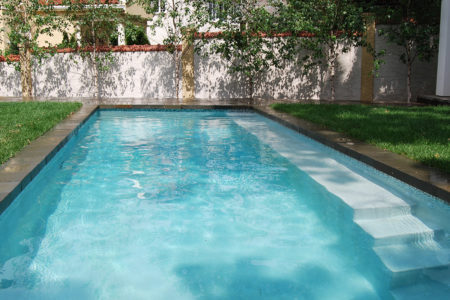
Inground pool lights are underwater fixtures designed to illuminate a permanently installed pool; choosing them means considering visibility, appearance, controls and future service, not just a favorite color. For a Minnesota pool, the right upgrade starts with the equipment already installed and how you want to use the space after sunset.
Planning a new pool or replacing an aging fixture? Contact Olympic Pools to discuss the pool, its lighting and the next inspection or design step. Bring existing equipment records if available. Do not open an underwater fixture or electrical enclosure to identify it yourself.
Start With the Pool, Not the Color Show
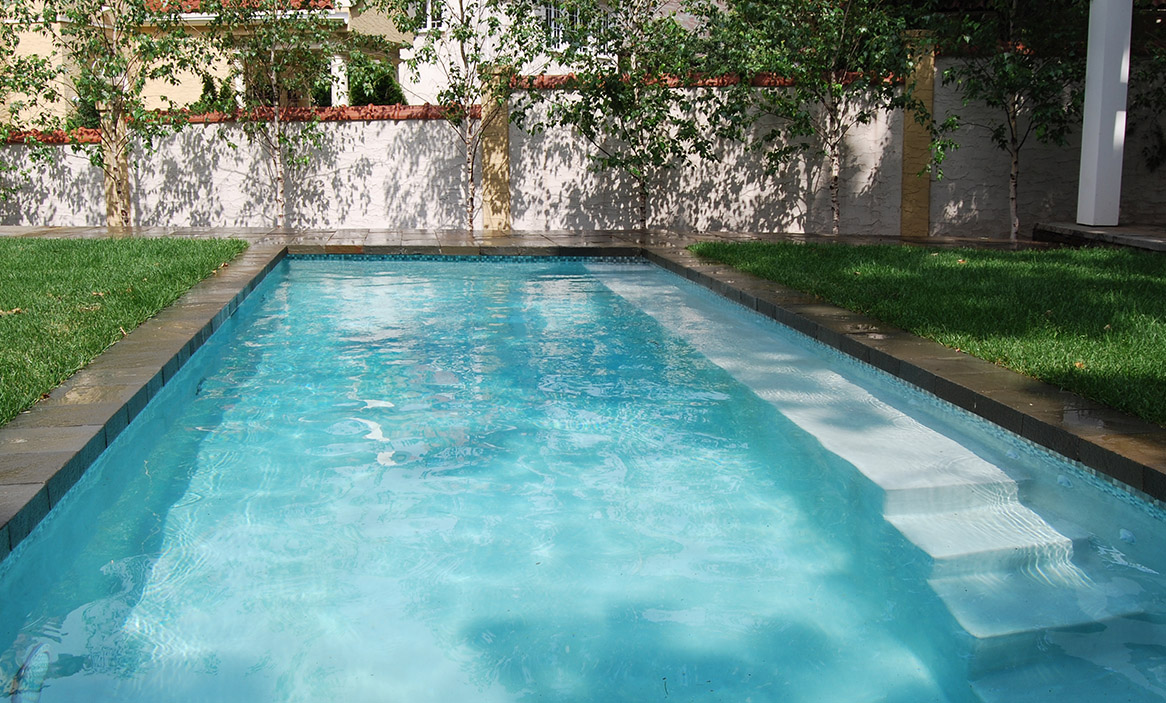
A bright spot on one wall is not the same as useful illumination across steps, benches and the swimming area. Pool shape, depth, interior finish and the direction people look from the patio all belong in the discussion. Dark finishes and changes in depth can affect the appearance of light, so a photograph of another pool is inspiration, not a promise of the same result.
Olympic Pools designs, builds, renovates and services pools and spas. Its residential portfolio shows different shapes and relationships between the pool and surrounding property. That whole-site perspective is useful when planning inground pool lights alongside steps, seating and views from the home.
The Olympic Pools Pool Lighting Plan
Use these six planning questions to organize a conversation about inground pool lights. This is a homeowner decision guide, not an electrical installation plan.
1. Safety and Visibility
Where must swimmers and supervising adults be able to see clearly? Review entry steps, changes in depth and the entire swimming area. Lighting does not replace active supervision, barriers or clear water. Have a qualified pool professional assess the layout and a licensed electrician qualified in pool work assess electrical protection and installation requirements.
2. Architecture
Consider the pool’s shape and sightlines from the house, patio and neighboring properties. Ask how fixture placement will limit uncomfortable glare and dark areas. A lighting layout should be discussed before a new pool’s construction details are finalized, when locations and access can still be coordinated.
3. Water Features
Separate the main swimming area from a spa, bubbler or other water feature. A feature-specific light is not automatically a substitute for underwater pool illumination. Ask which components are designed to work together and which need their own controls.
4. Mood
Decide whether your priority is a consistent white appearance, selectable colors or occasional programmed effects. View the choices as different experiences rather than assuming every color mode provides the same apparent brightness. When comparing inground pool lights, request information for the actual model and mode under consideration.
5. Controls and Automation
Choose how you want to operate the lights day to day: a dedicated control, a compatible pool automation system or supported app access. Record the controller model as well as the fixture model. A shared manufacturer name alone is not a compatibility check.
6. Serviceability
Ask how future service will be performed and which replacement parts or assemblies the manufacturer supports. Keep model numbers, installation records and manuals with the pool’s service file. For an existing pool, have the professional inspect the fixture, its mounting arrangement and the electrical system before approving a replacement.
Comparing Inground Pool Lights and Upgrade Paths
| Choice | Useful When | Check Before Choosing |
|---|---|---|
| White LED | You want a consistent white-light appearance. | Actual output, available white tone and suitability for the pool. |
| Color LED | You want selectable colors or programmed effects. | Supported modes and the controller required to select them. |
| Compatible retrofit | An approved newer assembly can use the existing installation arrangement. | Manufacturer-listed fit, voltage, mounting condition and electrical inspection. |
| Broader replacement | The existing fixture or infrastructure is damaged, unsuitable or incompatible. | The full repair scope, access and any affected pool finishes. |
| Standalone control | Lighting needs to operate independently. | Which functions the specific switch or controller supports. |
| Automation-integrated control | You want lighting managed with other supported pool functions. | Exact fixture, controller and software compatibility. |
Pentair’s IntelliBrite Architectural Series illustrates the distinction: the range includes white and color options, with compatible automation available. It is an example to evaluate, not a blanket recommendation for every pool. Have the installer verify the current manufacturer’s documentation against the installed equipment before selecting inground pool lights.
Repairing Inground Pool Lights: Keep Electrical Work Professional
If a fixture has water behind its lens, visible damage, unexplained flickering or repeated protective-device trips, stop using the pool and arrange qualified inspection. Do not repeatedly reset a breaker, bypass a protective device or try to seal a leaking fixture yourself. A light that comes back on has not thereby been shown to be safe.
The U.S. Consumer Product Safety Commission’s pool electrical safety guidance calls for inspection by a licensed electrician qualified in pool, hot tub and spa repairs. It also identifies growth inside a lens as a possible sign of leakage. These are reasons to investigate inground pool lights professionally, not instructions for a homeowner repair.
If anyone feels a shock or tingling in the water, treat it as an emergency: get out, keep others out and call emergency services. Do not enter the water to attempt a rescue when electrical shock is suspected. Qualified responders and electrical professionals must address the hazard before the pool is used again.
For routine planning, tell the service team when the problem began, whether one or several fixtures are affected and what you observed from outside the water. Existing invoices or manuals may identify the equipment without opening anything. Ask for a written explanation of whether the proposed work replaces a fixture, repairs related infrastructure or changes the lighting layout.
Upgrading Inground Pool Lights Around Minnesota’s Pool Season
Discuss inground pool lights during a planned service visit or renovation assessment rather than assuming a replacement can be fitted on the day you want to entertain. Inspection findings, parts availability and any work on the pool itself determine the schedule. Seasonal opening and closing arrangements should follow the installed equipment’s instructions and the service team’s assessment.
For a new build, coordinate lighting with the broader residential pool design. For an existing pool, distinguish the goals: restoring a failed light, changing the appearance and adding control features may require different scopes. You do not need to commit to rebuilding the pool simply to begin that assessment.
Questions About Inground Pool Lights
What are the advantages of LED pool lighting?
LED products can offer lower electrical consumption than comparable incandescent models and options for different lighting effects. Compare manufacturer specifications for the actual products; brightness, color capability and energy savings are not identical across the category.
Can I change the colors?
Only if the installed light supports color changes. The available choices and the way you select them depend on its compatible control. A white-only fixture does not become a color fixture by adding an app.
Can existing inground pool lights be replaced?
Often there is a replacement path, but the professional must confirm the existing mounting system, electrical requirements and manufacturer-approved compatibility. Do not buy a fixture based only on its diameter or appearance.
What if there is water inside the fixture?
Stop using the pool and have a qualified professional inspect it. Do not remove the lens or attempt a patch. Water inside a normally sealed light requires an assessment of the fixture and associated electrical safety.
Why are the lights not working?
A failed fixture, control issue or electrical fault can produce similar symptoms. Record what you can observe safely and request service; do not assume that a dark light needs only a bulb or repeatedly reset protection.
Will new lights work with my automation?
The installer needs the exact light and controller models to answer. Some combinations support on/off operation but not every color or scheduling feature. Request a compatibility check before approving the upgrade.
How many inground pool lights do I need, and where should they go?
There is no universal fixture count for every backyard. Shape, depth, finish, steps, obstructions and viewing angles matter. Have the designer develop a layout for the actual pool rather than copying another property’s count.
How much energy will the lights use?
Use the selected fixtures’ rated power and expected operating hours to estimate consumption. Lower wattage can reduce lighting energy use, but the financial difference depends on your old equipment, usage and electricity rate. Avoid treating a product comparison as a guaranteed household saving.
Can I upgrade without rebuilding the pool?
A compatible retrofit may allow an upgrade without rebuilding the pool shell. That is not assured: damaged mounting parts, wiring or access problems can expand the scope. Inspection comes before a promise about disruption.
Bring Your Lighting Goals to Olympic Pools
Whether your priority is dependable illumination, a different evening atmosphere or simpler controls, start with a site-specific assessment of inground pool lights. Talk with Olympic Pools about your Minnesota pool and the decisions that should come before selecting equipment.

Leave a Reply