


Searching for pool plaster repair near me is most useful when you can describe the affected area and ask for an inspection-led scope. A local patch, full interior renewal and investigation of a crack or water-loss concern are different jobs; the proposal should say which one the contractor is pricing.
This guide is for Minnesota homeowners with a concrete pool who need to compare those options before choosing a finish or accepting a quote. Olympic Pools offers Shakopee-based pool expertise across design, renovation and service. Start with the property location and the condition you want assessed, rather than assume that a nearby provider supports every repair method.
Pool plaster repair addresses a defined concern in the pool’s interior finish. The finish is distinct from the structural shell, waterline tile and other connected components. Replastering renews a larger interior area; neither project label alone establishes what preparation, investigation or adjoining work is included.
Planning a residential assessment? Contact Olympic Pools with wide and close-up photographs, the finish name if known, previous work records and your preferred timing. Ask what must be assessed before a repair can be specified and what information would make the visit more useful.
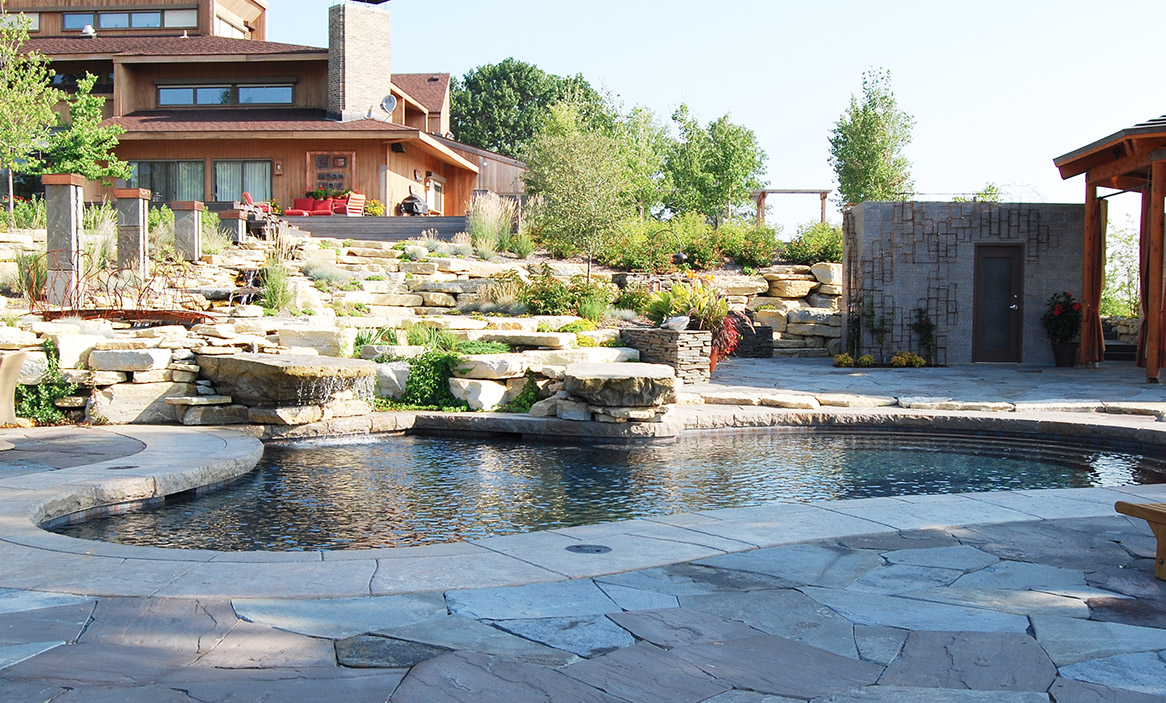
Turn a pool plaster repair near me search into a defined request
Begin with what you can actually describe: a rough step edge, a visibly damaged patch, discoloration, a recurring concern or a crack noticed near a fitting. Record the location and when you first observed it. Keep that observation separate from a conclusion about adhesion, the shell or the correct repair product.
A small visible area does not establish a small repair. The evaluator needs to determine its extent, the condition of the material around it and whether another issue changes the scope. Conversely, one discolored area does not establish that the whole interior needs renewal. Ask what findings support the recommendation.
When a provider uses the phrase pool replastering service, ask which residential scope it means. Is it pricing an identified repair, renewal of the interior finish, or investigation before either option can be selected? Request the area and components included in writing. A product name is not a substitute for that boundary.
Keep the homeowner decision connected with residential pool design and renovation when several parts of the pool are changing. This guide addresses residential repair intent; commercial facility procurement remains a separate project conversation.
Prepare an owner record before the visit
The best starting packet makes the concern easy to locate and the history easy to follow. It need not be a large report. Gather what exists and mark gaps clearly, rather than substitute an assumed product, installation date or repair method.
- Locate each concern. Pair an overall pool photograph with closer views from a safe accessible position. Label steps, benches, walls or fittings consistently so the same location can be found in the assessment and proposal.
- Describe the pattern. Note when you noticed the issue and whether it has visibly changed. Separate dated observations from recollection and avoid assigning a cause from appearance alone.
- Identify the finish if possible. Provide an invoice, product name, color or previous contractor record. Say when the finish is unknown; a photograph need not establish its exact composition.
- Collect earlier work and care records. Include previous repair descriptions, available service reports and relevant water-care history. Explain which concern returned and which part was previously addressed.
- State the decision and constraints. Tell the assessor whether your priority is a localized concern, overall interior condition or coordination with tile and other work. Include property access, planned use and seasonal timing.
Do not drain the pool, remove fittings, chip the finish or improvise a chemical treatment to prepare these records. Discuss any immediate use concern with the responsible pool professional. The purpose of photographs is to organize the visit, not establish structural condition or authorize a repair without assessment.
Repair and quote comparison
Read across all six columns. The contractor’s assessment connects the observed issue to a proposed scope; preparation, retained materials and exclusions explain what the price actually covers. The examples below are planning questions, not findings about your pool.
| Observed issue | Assessment | Preparation | Retained materials | Exclusions | Next step |
|---|---|---|---|---|---|
| A localized worn or damaged area | Establish its extent and the condition of adjoining finish. | Specify the preparation included for the selected repair system. | Identify the surrounding finish, tile and fittings staying in place. | Clarify visual expectations and work outside the defined area. | Agree on the repair boundary and acceptance expectations. |
| Several areas or recurring repairs | Map the condition and review prior scopes before choosing renewal. | Separate assessment allowances from the proposed renewal work. | Name retained components and their interfaces with new finish. | Do not assume tile, fittings or shell work are included. | Compare supported local repair and wider renewal options. |
| A discolored area with an uncertain cause | Review finish identification, observations and relevant care history. | Choose any treatment or repair only after the concern is assessed. | Clarify which existing material can remain under the chosen scope. | Ask what appearance changes the proposal does and does not address. | Obtain findings before accepting a cosmetic solution. |
| A crack or reported water-loss concern | Distinguish finish condition from concerns needing separate investigation. | Leave the final repair method unresolved until findings support it. | Record what remains unknown about the affected assembly. | A finish quote is not automatically a structural or leak-repair scope. | Identify the appropriate investigation and responsible professional. |
Consider a hypothetical homeowner comparing a proposal for a defined step-area repair with one for full interior renewal while retaining the waterline tile. Both may use the word plaster, but they do not cover the same area or interfaces. Ask why each scope was recommended and what findings would change it before comparing the totals.
The example is not a customer quotation or an Olympic Pools result. Its useful lesson is to compare the assessment, preparation and retained components alongside the price, rather than treat two differently defined projects as interchangeable bids.
Coordinate retained materials before choosing a finish
A repair proposal should identify the existing finish and explain the suitability of the selected materials for the assessed condition. Ask how the work meets the retained surface and what appearance expectations are reasonable. Do not assume that specifying a brand guarantees an invisible repair or a particular service life.
Use the existing pool plaster and resurfacing decisions guide for finish-family and product-selection questions. Here, the priority is the repair boundary: what is being addressed, what remains and which instructions govern the selected work.
Review the waterline at the same conversation. The pool tile assessment guide addresses a different material, but its boundary may meet the interior finish. Identify whether tile is retained, repaired or replaced and who coordinates that interface.
LATICRETE’s thinset guidance for pool tile and stone discusses substrate selection and sufficient curing before filling. That is guidance for tiled systems, not approval of a plaster patching method. Ask the project team to use the applicable instructions for each material rather than transfer one system’s procedure to another.
If tile is also being replaced, compare waterline tile design choices after its condition and replacement boundary are established. Keep a desired color change separate from the work needed to address a repair concern.
Choose a useful local assessment conversation
A near-me result is a starting point, not confirmation that the provider supports your pool construction, finish and location. Ask who will assess the concern, which work the company can undertake and whether another specialist is needed. Provide the Minnesota property location before assuming scheduling or territory.
Read the custom-pool builder guide for broader provider-selection questions. For repair, make the discussion specific: request a written finding, an itemized scope, inclusions and exclusions, and the process for authorizing discoveries. Ask for any proposed warranty in writing without assuming product or workmanship coverage.
When the assessment points toward a larger renovation, separate that decision from a patch quote. Whole-project pool budgeting offers context for a broader undertaking; it is not a current plaster-repair price list. The repair cost belongs in a proposal based on your property’s actual work.
Plan access, seasonal timing and handover
Explain access around the house, fences, landscaping and equipment before agreeing on the work sequence. Ask which items need protection or reinstatement, who coordinates any water-management work and how changes will be communicated. These responsibilities should be in the scope, not assumed from the finish price.
For a Minnesota project, discuss the actual installation conditions and seasonal operating plan with the contractor. Separate the desired swimming date from completion, acceptance and the selected system’s care requirements. A generic online curing interval is not the schedule for your pool.
The handover should identify completed work, retained components, product-specific care instructions, filling or startup responsibilities, outstanding items and the contact for follow-up. Agree on how a later recurring concern will be recorded. A clear closeout connects the purchased work with the homeowner’s continuing responsibilities.
Residential pool plaster repair questions
What should a local plaster-repair scope include?
It should identify the assessed area, preparation, selected materials, retained components, exclusions and acceptance expectations. A brief label such as patch or replastering does not establish those details on its own.
What records should I prepare?
Bring dated photographs, available finish identification, earlier repair and service records, relevant care history and your timing constraints. Mark unknown information clearly and leave diagnosis to the assessment.
How does a repair differ from full interior renewal?
A repair addresses a defined concern or area. Full renewal covers a wider finish scope. The findings, surrounding condition and retained materials should explain the recommendation; neither option follows automatically from age or one photograph.
Which conditions need qualified assessment?
Recurring concerns, loose or visibly damaged finish, cracks and reported water loss need an assessment of the relevant condition. A cosmetic proposal should not silently stand in for investigation of a different problem.
What changes the complete repair or installed scope?
Preparation needs, findings beneath the visible finish, tile and fitting interfaces, access and the selected material system can change the work. Agree on how added findings are documented and authorized before extra work proceeds.
How should timing and handover be planned?
Allow for assessment, scope decisions, work, acceptance and product-specific care. Name who handles filling or startup, provides instructions and answers later questions. Confirm the return-to-use arrangements for the actual project.
Start with the condition, not a finish order
Review Olympic Pools’ systems approach, then request a residential repair conversation with your Minnesota location, photographs and available records. Ask what must be established before choosing a local repair or full renewal. That gives the first visit a clear question to resolve.

Leave a Reply